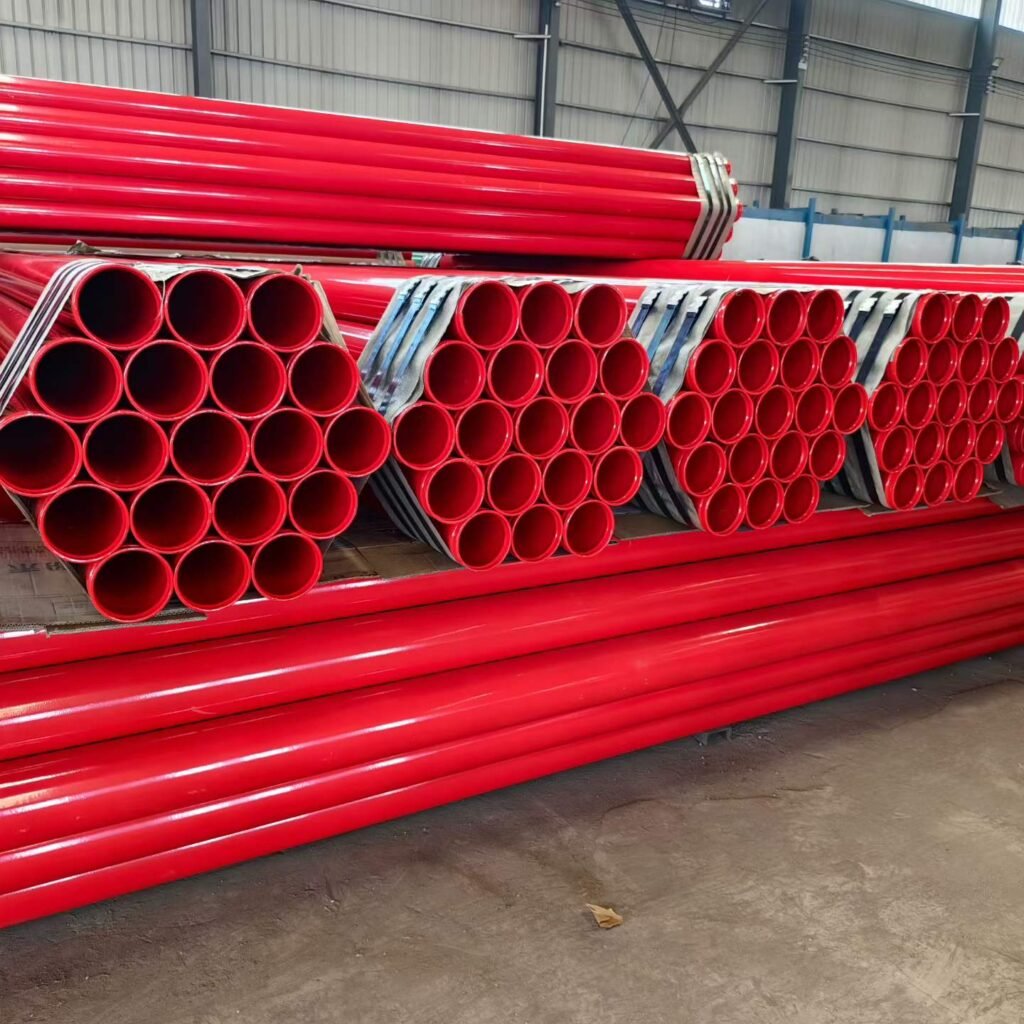
Fire sprinkler networks are specified under a different logic from municipal water transmission mains. The pipe is normally smaller in diameter, installed above ground, assembled from many short lengths and fittings, and governed by the fire protection design code adopted by the project rather than by a waterworks standard. For a buyer sourcing fire sprinkler steel pipe for a pumping station, treatment plant, warehouse or port facility in Southeast Asia, the practical questions are the governing pipe standard, the joining method, the internal and external protection, and the certificate package that the authority having jurisdiction will accept. This article separates those decisions and explains how they should appear in a technical agreement.
I. Where Fire Sprinkler Pipe Differs From a Water Transmission Main
A municipal transmission main is a buried, large-diameter, welded line designed around flow, internal pressure and external loads. A sprinkler network is an above-ground distribution grid designed around hydraulic demand at the most remote sprinkler head, with a dense arrangement of tees, reducers, elbows, valves and supports. The pipe is therefore purchased as a system: pipe, fittings, joints and hangers must all follow one dimensional and pressure basis.
Consequences for procurement are direct. End preparation matters more than single-pipe length. Fitting compatibility matters more than coil grade. And because the network is visible and often located in a humid plant room or coastal facility, external corrosion protection and the quality of field touch-up have a larger effect on service life than on a buried line with cathodic protection.
II. Fix the Governing Standard and the Joining Method Together
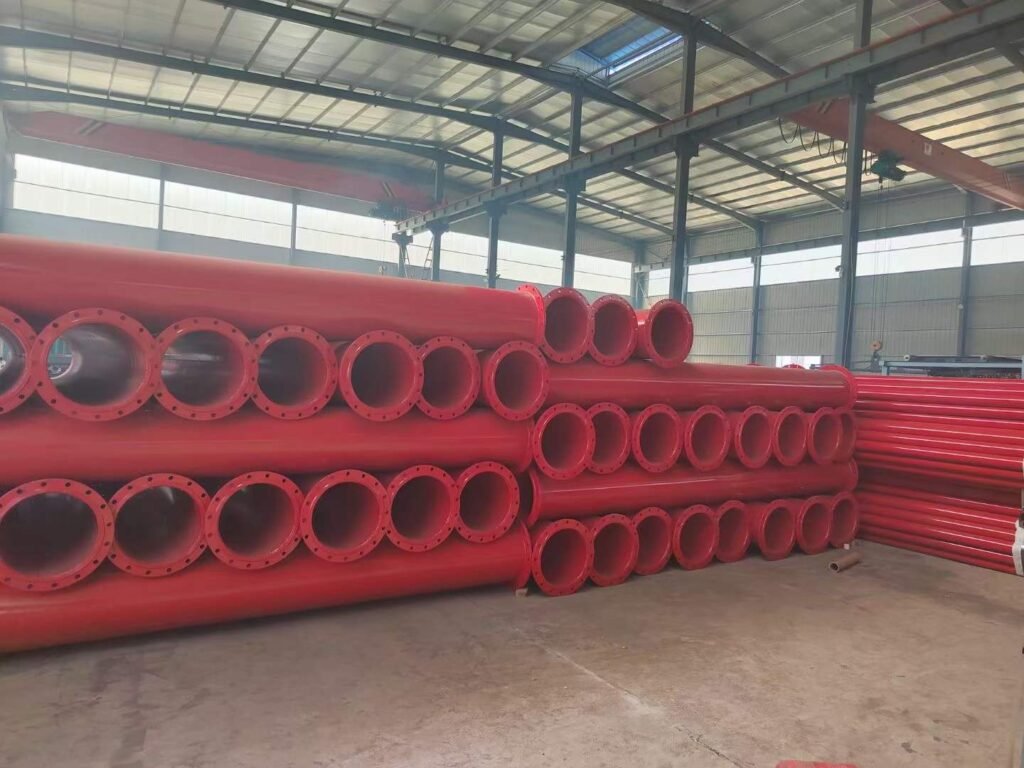
The project specification should name the pipe standard, the fire protection design code and the accepted joining methods in one clause. grooved, threaded, flanged and welded connections each impose different requirements on wall thickness, end preparation and fitting geometry; mixing them without a stated basis leads to mismatched grooves and bolt patterns on site. Ask the designer to confirm the edition of each document, and confirm whether listed or approved components are required by the insurer or the authority having jurisdiction.
For an imported package, also state the dimensional system. Southeast Asian projects often combine an inch-based fire protection schedule with locally issued DN or mm drawings. Put the conversion and the permitted tolerance in the technical agreement so a rounded conversion does not become a fit-up problem at the pump room.
III. Corrosion Protection in Humid and Coastal Environments
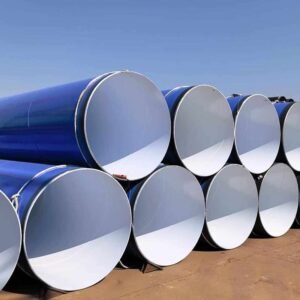
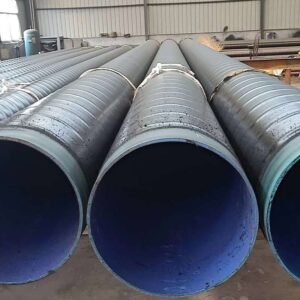
Sprinkler pipe in a tropical plant room sees permanent high humidity, and in coastal or island facilities it also sees salt-laden air. A generic anti-corrosion note is not a specification. Define the surface preparation standard, the primer and topcoat or other coating system, the dry film thickness for each coat, the colour, the weathering requirement and the field touch-up procedure after welding or lifting damage.
Where the network carries standing water between tests, internal condition also needs attention. Ask the designer whether an internal treatment or lining is required and how the system will be flushed, tested and dried afterwards. Flanges, supports, threaded ends and crevices need the same protection as straight pipe, and they are the locations most often missed during touch-up.
IV.Project Requirements Checklist
| Item | What to state | Why it matters |
|---|---|---|
| Standard basis | Pipe standard, design code and editions | Acceptance by the authority |
| Ends and joints | Grooved, threaded, flanged or welded; fitting compatibility | Site fit-up |
| Dimensions | Governing unit plus conversion and tolerance | Avoids mixed inch / DN schedules |
| Protection | Surface prep, coat build-up, DFT, touch-up | Humid and salt-laden air |
| Approvals | Listed or approved components where required | Insurer and jurisdiction |
| Records | MTC, coating, pressure test, witness points | Handover audit |
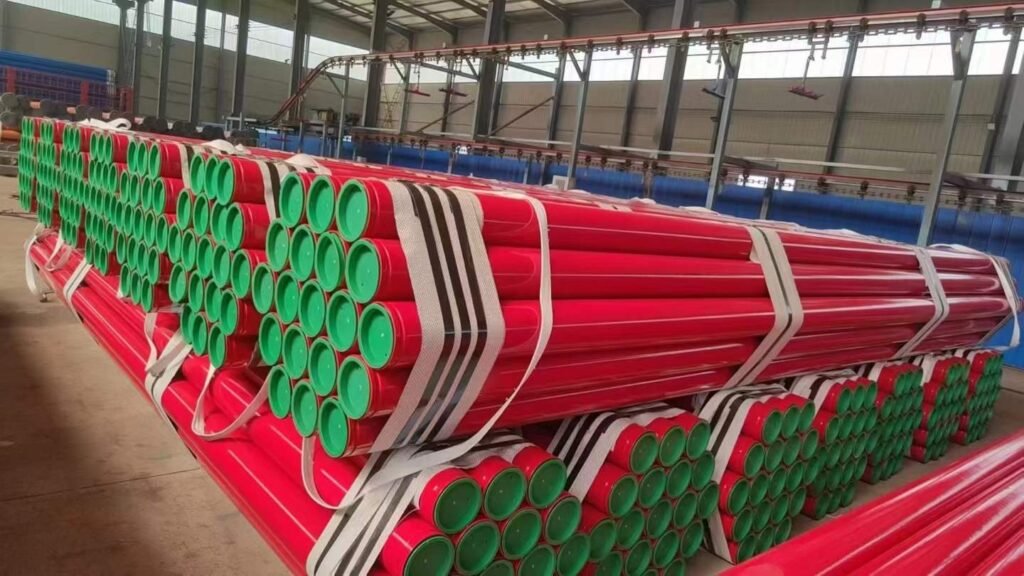
| Packing | End caps, dunnage, chocks, slings, transfer checks | Island logistics |
V.Summary
Specifying fire sprinkler steel pipe is a system exercise, not a pipe-only purchase. Name the standard basis and joining method together, define protection for the actual humidity and salt exposure, and put the test and document requirements into the ITP before fabrication. Youcheng supplies spiral welded steel pipe for larger water and service mains and large-diameter plastic-coated steel pipe where internal and external coating are both specified. Smaller-bore sprinkler networks should be sourced against the owner’s named fire protection standard; our team can review a take-off and confirm which items fall inside our manufacturing range.