Malaysian water supply packages frequently carry AWWA-based specifications, and within those specifications the internal lining decision often defaults to cement mortar because that is what the last project used. Cement mortar is a sound default. It is also not the only option, and on certain water qualities and operating regimes an AWWA C210 epoxy coating is the better engineering choice. The difference is decided by water chemistry, flow regime and the owner’s maintenance capability, not by preference
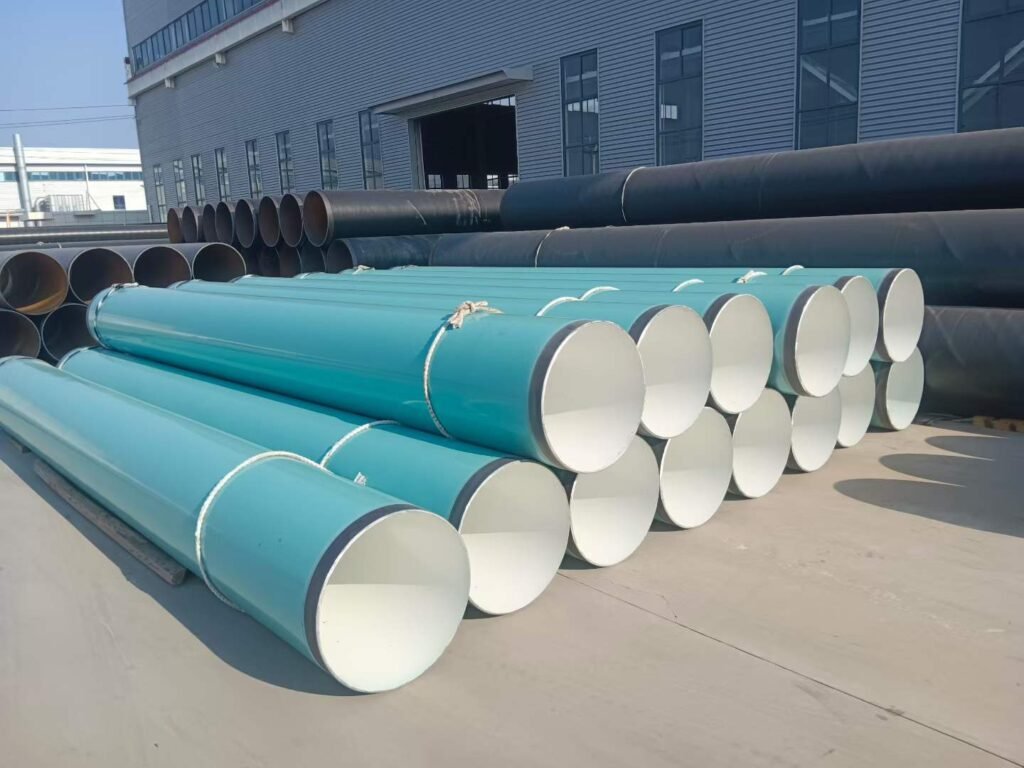
I. What AWWA C210 Covers
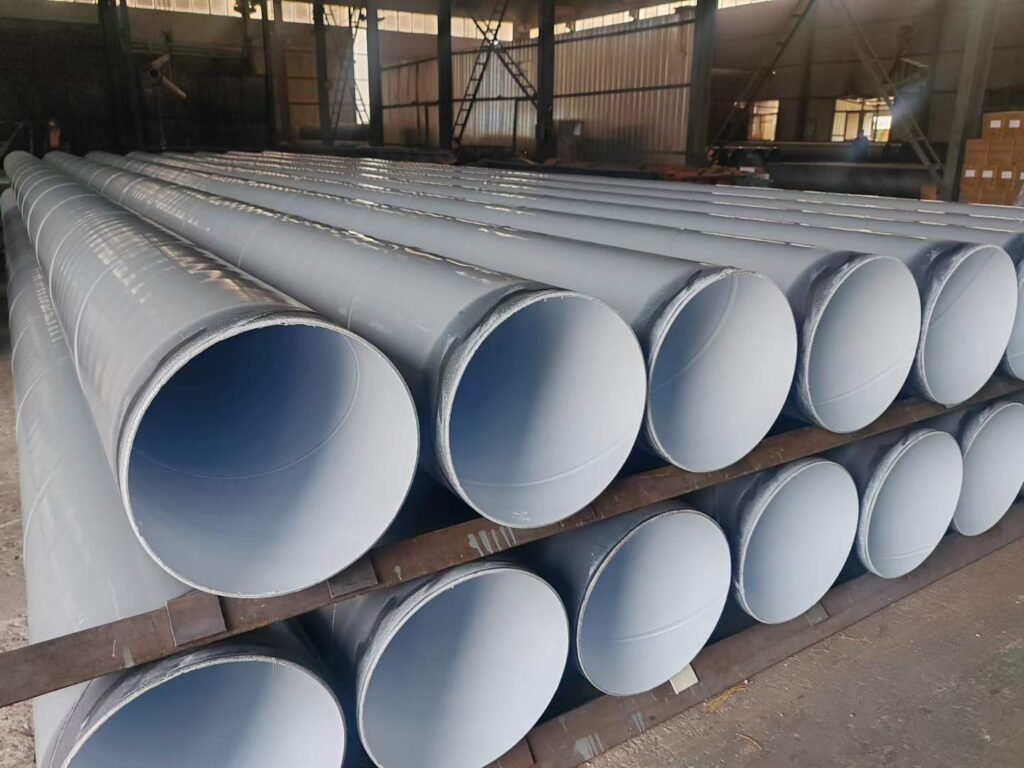
AWWA C210 addresses liquid-epoxy coating systems for the interior and exterior of steel water pipelines, applied in a shop or in the field. It defines the system, the surface preparation, the application conditions, the test methods and the documentation expected. A specification that says “AWWA C210 coating” without an edition or a system designation leaves the applicator to choose both, and two applicators will then deliver two different products under the same clause.
The practical instruction is to write the clause as: standard and edition, system designation, dry film thickness, surface preparation grade, and the acceptance tests for thickness, continuity and adhesion. That is what makes an awwa c210 coating comparable between suppliers.
II. When Epoxy Beats Cement Mortar
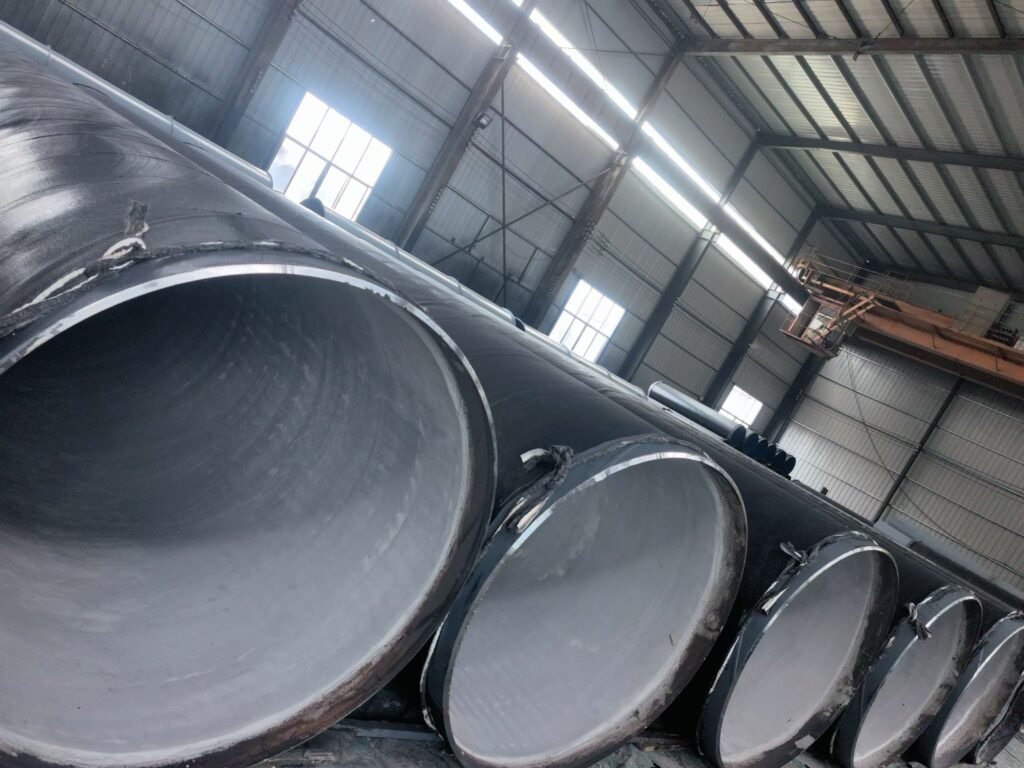
Cement mortar lining is robust, alkaline and well understood, and it suits large raw and potable water mains where the water is not aggressive. It also has a roughness that increases friction over time, and it is less tolerant of poor application in small diameters and complex geometry.
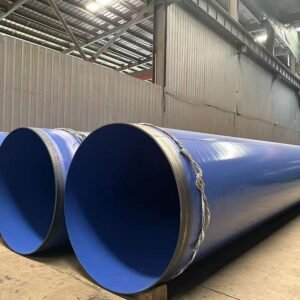
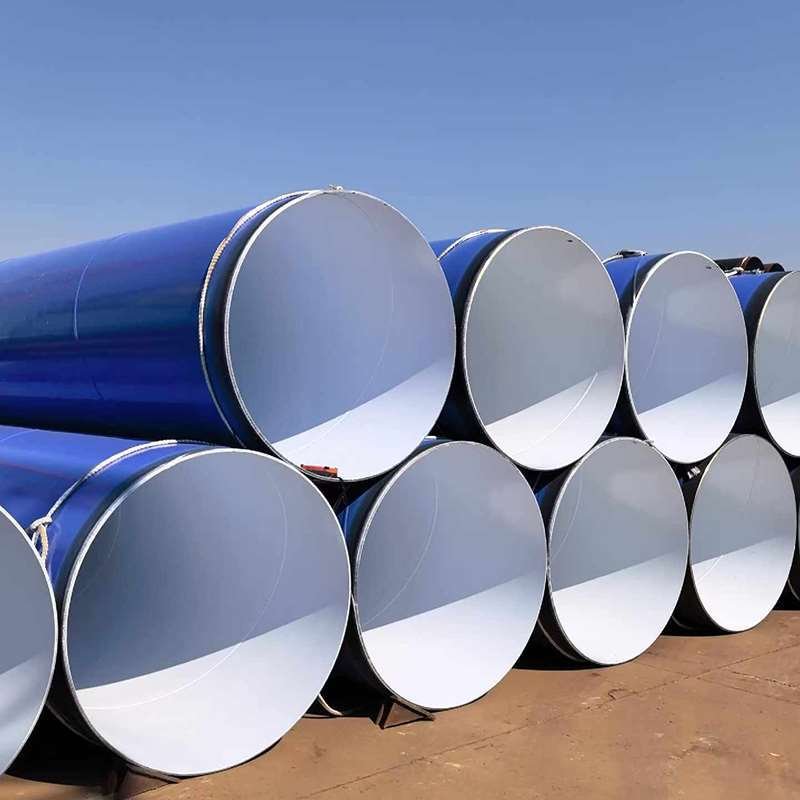
An epoxy lining gives a smoother bore, a thinner wall build-up and better performance in small-bore and fitting-heavy work. Where the water is soft and low in alkalinity, or where the owner needs a smooth bore for hydraulic reasons, an epoxy lined steel pipe is often the better answer. Where the water is aggressive to epoxy or the operating temperature is high, cement mortar may still win. The decision belongs in a lining selection note, not in a default clause.
III. Applying It Without Creating a New Proble
Liquid epoxy depends on surface preparation and on curing conditions. In a tropical shop, humidity and surface temperature control the outcome, and a coating applied outside the manufacturer’s window will pass a visual inspection and fail adhesion. The specification should therefore require the applicator to record blast grade, surface temperature, dew point, relative humidity and recoat intervals.
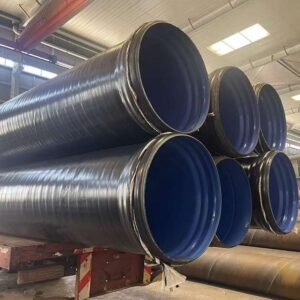
The second issue is the internal joint. A coated line is only continuous when the girth welds are lined. For an internal coating steel pipe system, the joint detail — how the lining is terminated at the pipe end, what material closes the gap, and how it is inspected — should be decided before fabrication, not at the tie-in.
IV.Summary
Decide the lining from water chemistry, diameter and hydraulics; then write the clause with system, thickness, preparation and tests. Youcheng supplies large-diameter spiral steel pipe, large-diameter plastic-coated steel pipe and spiral welded steel pipe. Related: FBE in desalination plants and internal coating for industrial cooling water. Send your water analysis and we will return a lining comparison. Related reading: FBE coated pipe; epoxy lined steel pipe; spiral welded pipe explained; cement mortar lined steel pipe. Related reading: FBE coated pipe; epoxy lined steel pipe; spiral welded pipe explained; cement mortar lined steel pipe.