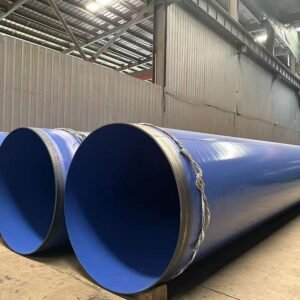
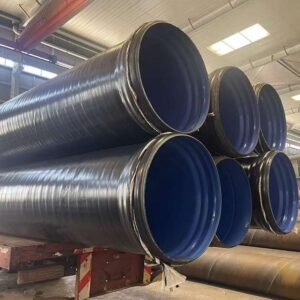
In Singapore and Malaysia, building services have used galvanized steel pipe for decades, and the specification habit has followed the material. But galvanized pipe has a known weakness in potable water systems: the zinc layer is consumed over time, and the threaded connections — where the protective layer is cut away — are the first points to fail. This is the context in which an epoxy coated steel pipe is increasingly specified as a substitute, and also the context in which a careless substitution creates a new set of problems.
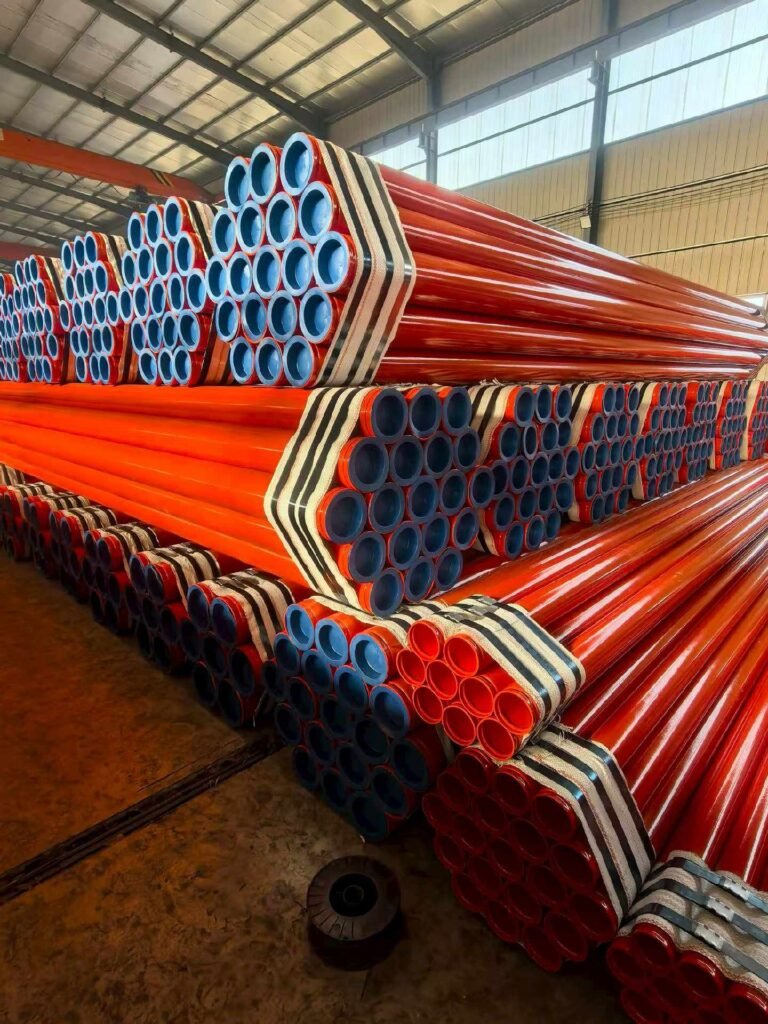
I. The Real Difference Is at the Joint
A galvanized pipe is protected by a metallic layer that is sacrificial: it protects the steel by corroding itself. That is an advantage in atmospheric exposure and a disadvantage in potable water, because the zinc ends up in the water and the layer eventually depletes. Threading removes the coating at exactly the location where the pipe is thinnest and the flow is most disturbed.
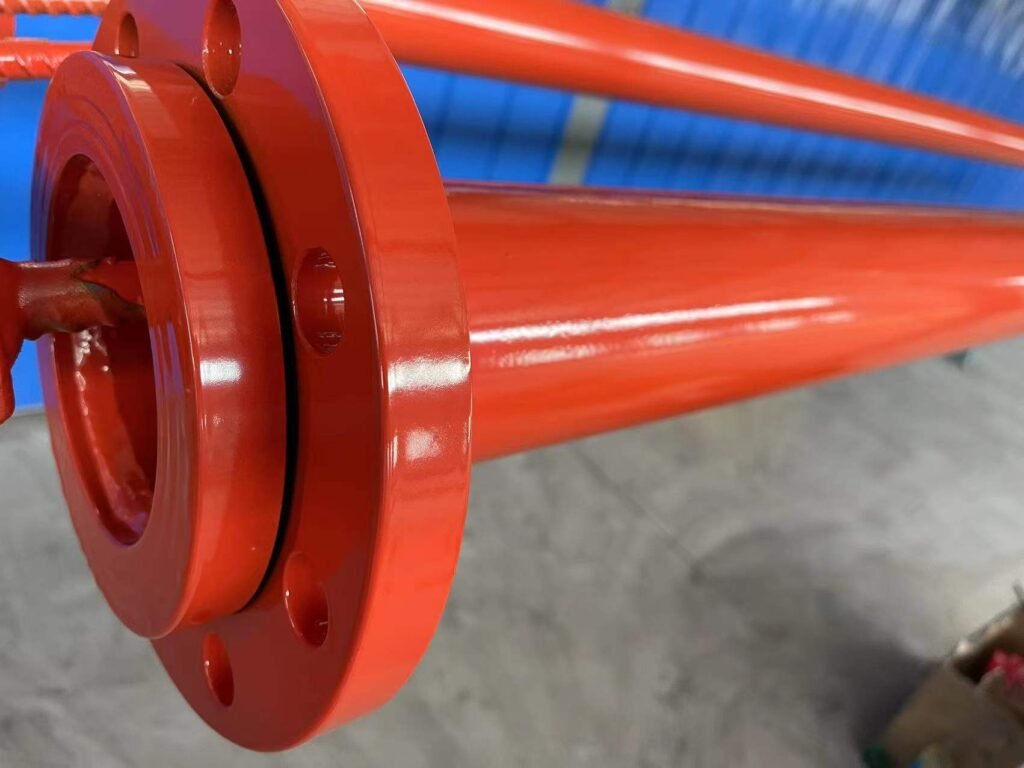
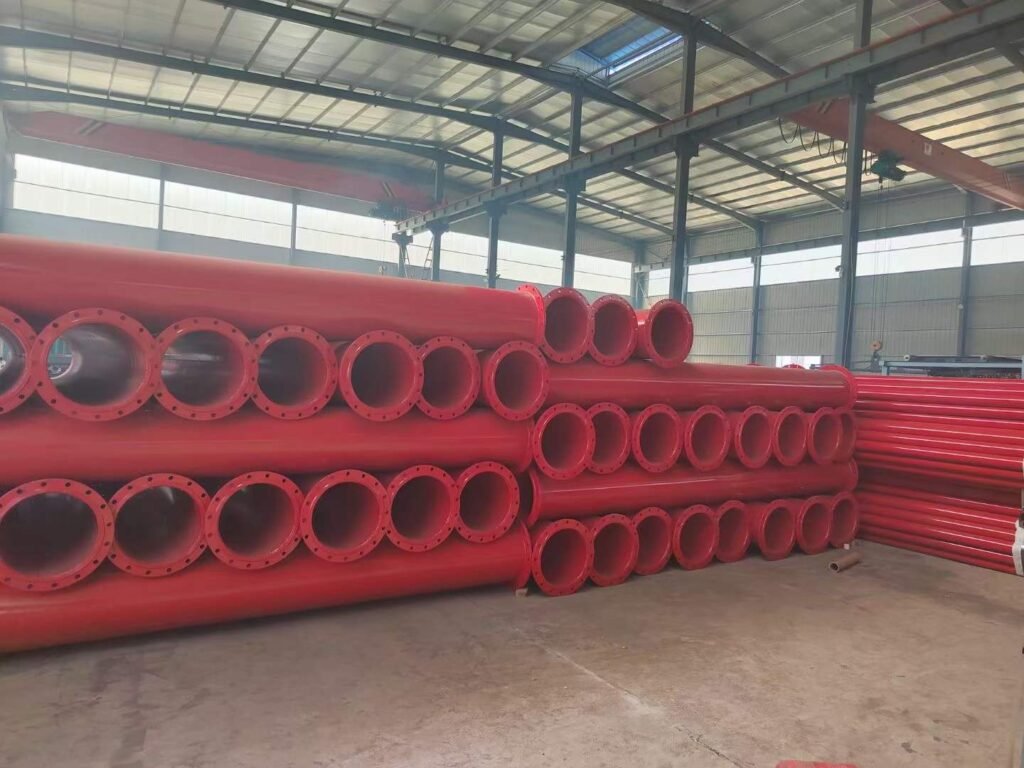
An epoxy coating is a barrier rather than a sacrificial layer. It does not deplete in the same way, but it can be damaged, and a damaged barrier concentrates corrosion at the defect. That is why an epoxy coated steel pipe system is only better than galvanized when the jointing method and the repair procedure protect the barrier at every connection. Framed properly, the epoxy coated pipe vs galvanized pipe question is a question about joints, not about coatings.
II. Three Checks Before Substituting
The first check is the jointing method. Grooved mechanical joints, flanged connections and welded joints each treat the coating differently. A grooved joint that cuts into the coating requires a repair at the groove; a threaded joint exposes bare steel at every thread. The specification must state how the coating is restored at the chosen joint type.
The second check is the approval route. A potable water coated pipe may need a hygienic approval, a quality declaration or a listing accepted by the local authority. Galvanized pipe has a long history of acceptance; an epoxy system does not inherit it, and the approval has to be obtained for the specific product.
The third check is fire service compatibility. Where the pipe is used in a fire system, the coating must meet the fire-rating and listing requirements of the adopted code, and some listings name specific products. A powder coated steel pipe used in a wet riser has to satisfy both the potable-water and the fire requirements if the systems share a supply.
III.Getting the Site Details Right
On a high-rise project the pipe is cut, threaded or grooved, assembled and pressure-tested on site, often by a subcontractor with limited coating experience. The repair material and the repair procedure therefore have to be part of the delivered package, not an afterthought. Supplying a compatible touch-up kit with each batch is a practical measure that costs little and prevents the most common defect.
Where the pipe is stored on site, end caps matter: an internal coating steel pipe that fills with rainwater during the structural phase will have a wet bore at commissioning, and no coating system performs well under that condition. Storing the pipe off the ground and under cover where possible is a site management decision, but it is worth writing into the delivery terms because it is the cheapest protection available.
VI.Summary
Substitute per system, not per building: check the jointing method, the potable-water approval and the fire listing before the clause is written. Youcheng supplies large-diameter plastic-coated steel pipe, spiral welded steel pipe and cement mortar lined steel pipe. Related: FBE for water treatment plant piping and plastic coated pipe in distribution networks. Send the building service schedule and we will confirm what applies. Related reading: plastic coated steel pipe; FBE coated pipe; fire sprinkler steel pipe; contact page. Related reading: plastic coated steel pipe; FBE coated pipe; fire sprinkler steel pipe; contact page.